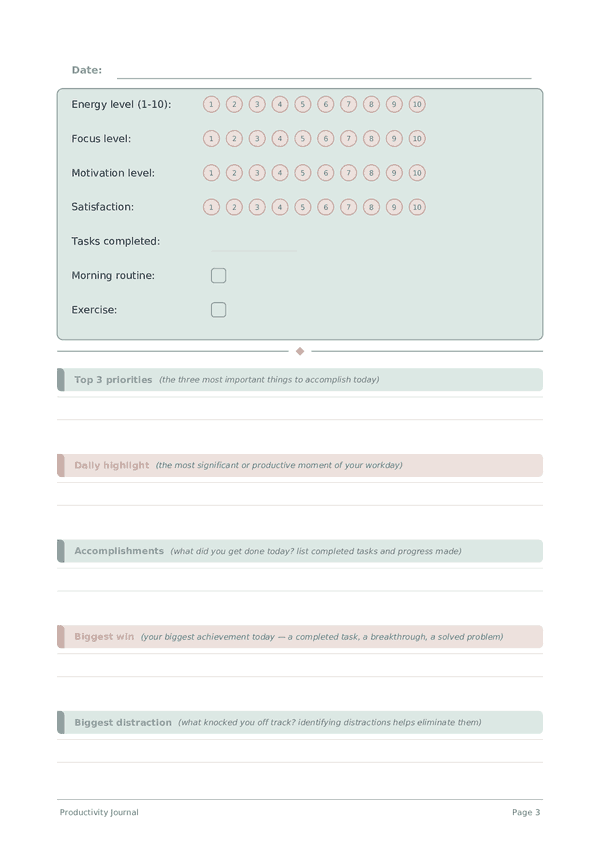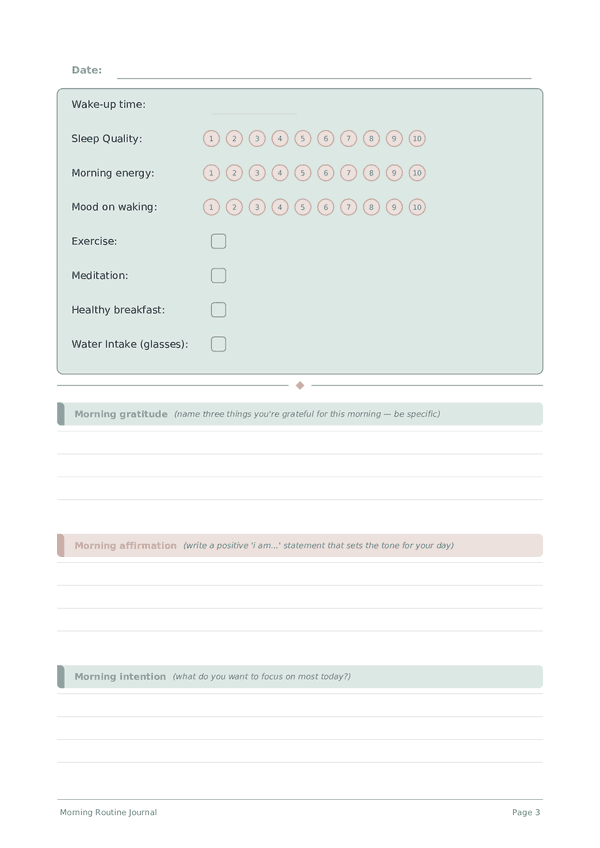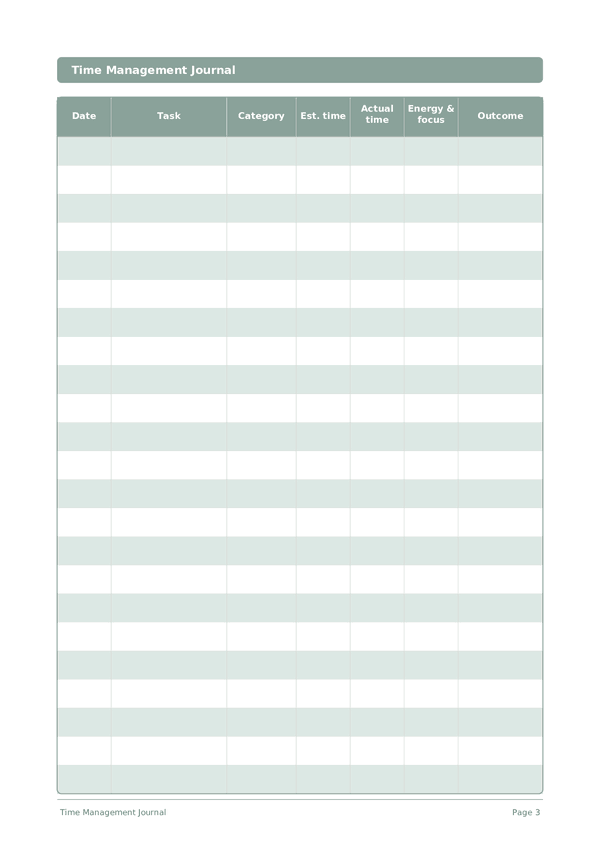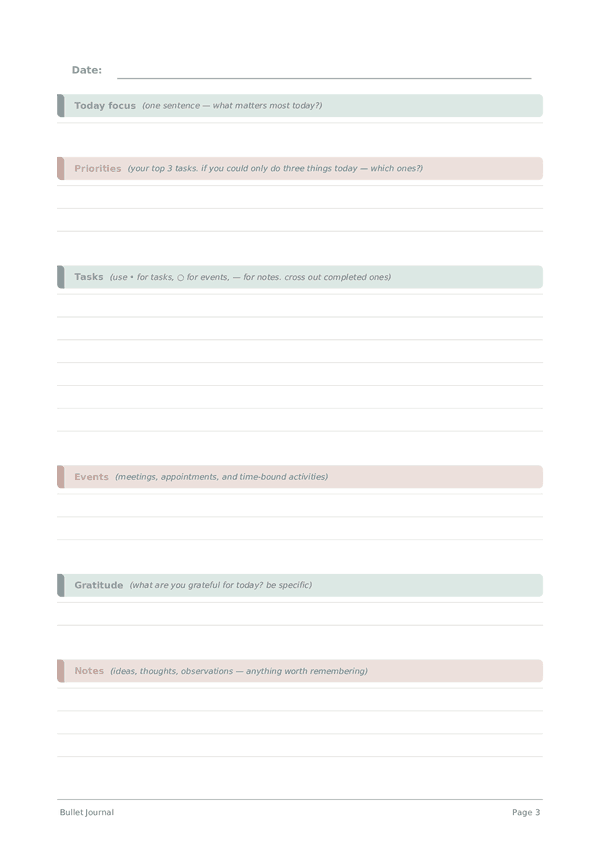
Printable Decision Journal
Think clearly, decide confidently, learn from every choice
A structured decision log that captures your reasoning, confidence, emotional state, and outcome for every important choice. Revisiting past entries reveals patterns, reduces hindsight bias, and sharpens your judgment over time.
Customize fields
Toggle fields on or off. Click the pencil to rename, or add your own fields.
Benefits
How to Use
What is this journal?
A decision journal is a structured practice for recording important decisions at the moment you make them — before you know how they turn out. By capturing your reasoning, alternatives considered, emotional state, and expected outcomes, you create an honest record that lets you evaluate your decision-making process over time, separate from results.
This journal is for leaders, entrepreneurs, investors, and anyone who makes consequential decisions and wants to improve their judgment. It is based on the principle that good decisions can have bad outcomes and bad decisions can have good outcomes — the only way to improve is to evaluate the process, not just the result.
Decision science research, popularized by Annie Duke and Daniel Kahneman, shows that "resulting" — judging decisions solely by their outcomes — is one of the biggest obstacles to better judgment. This journal creates a time-stamped record of your reasoning that you can revisit months later, helping you distinguish between genuine skill and luck in your decision-making.
Filled example
Here's what a typical entry looks like when filled in:
How to fill in each field
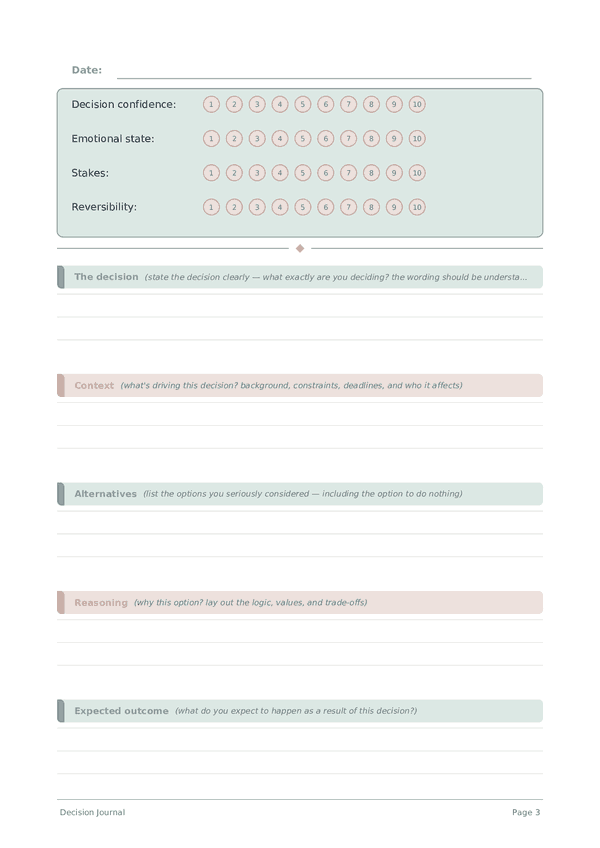
The top of each page has quick-fill fields (ratings, checkboxes, numbers). Below that is a lined section for writing. Here's what each field means:
Decision confidence
How confident are you this is the right call? Rate from 1 (very unsure) to 10 (certain)
Emotional state
How clear-headed are you right now? Rate from 1 (scattered) to 10 (very clear)
Stakes
How significant are the consequences if this goes wrong? Rate 1 (minor) to 10 (life-changing)
Reversibility
How easily can you change course if needed? Rate 1 (locked in) to 10 (easily undone)
The decision
State the decision clearly — what exactly are you deciding? The wording should be understandable even to a child
Context
What's driving this decision? Background, constraints, deadlines, and who it affects
Alternatives
List the options you seriously considered — including the option to do nothing
Reasoning
Why this option? Lay out the logic, values, and trade-offs
Expected outcome
What do you expect to happen as a result of this decision?
Outcome
What actually happened as a result?
Lessons learned
Looking back: was your reasoning sound? What would you do differently next time?
Tips for success
When and how often to write
Write an entry for every significant decision: career moves, large purchases, relationship choices, health changes, and strategic pivots. Minor daily decisions do not need logging, but any choice you might second-guess later deserves an entry. At the decision point, spend 10\u201315 minutes writing your reasoning and confidence. Set calendar reminders to revisit at 30, 90, and 365 days. Quarterly, review your decision history to identify recurring biases.