Printable Diario delle Allergie
Tracker delle reazioni allergiche e registro delle esposizioni
Personalizza campi
Attiva o disattiva i campi. Clicca la matita per rinominare, oppure aggiungi i tuoi campi.
Cos'è questo diario?
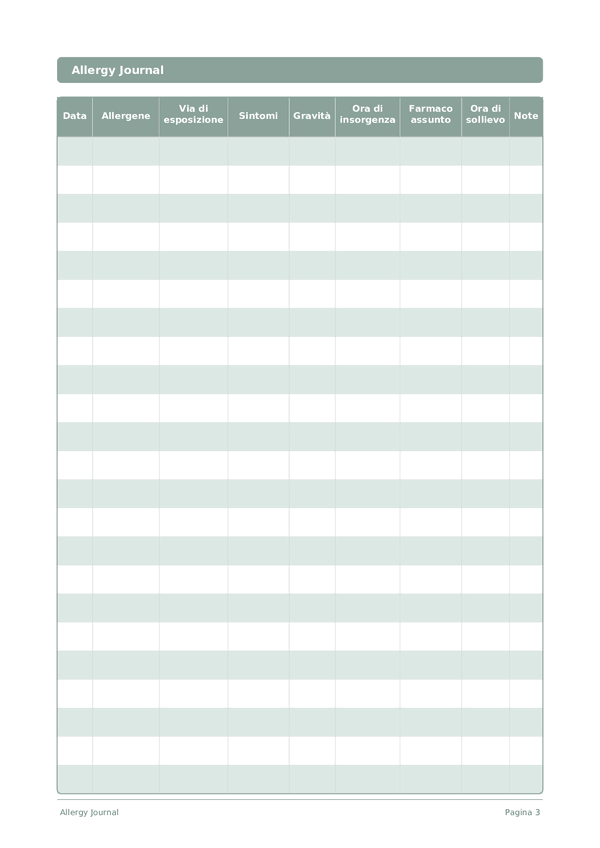
Questo è un diario a registro tabellare — ogni pagina contiene una tabella strutturata con colonne per registrare i dati. Perfetto per tenere traccia di spese, allenamenti, letture o qualsiasi attività che beneficia di voci organizzate e confrontabili.
Come compilare ogni campo
Ogni pagina è una tabella con colonne. Compila una riga per ogni voce. Ecco a cosa serve ogni colonna:
Data
Scrivi la data di oggi. Questo ancora la tua voce nel tempo e aiuta quando si rivedono le voci in seguito.
Allergene
Registra l'allergene o il probabile trigger. Essere precisi aiuta te e il tuo medico a identificare esattamente cosa causa le reazioni.
Via di esposizione
Sintomi
Elenca i sintomi che hai avuto oggi. Sii specifico riguardo al tipo, alla posizione e alla gravità. Gli schemi nei sintomi spesso indicano trigger o necessità di trattamento.
Gravità
Quanto sono gravi i tuoi sintomi oggi? Da 1 (lieve) a 10 (debilitante)
Ora di insorgenza
Farmaco assunto
Hai preso i tuoi farmaci oggi? Annota cosa, quando e se hai saltato delle dosi
Ora di sollievo
Note
Aggiungi qualsiasi contesto o pensiero aggiuntivo. Questa colonna tuttofare è per tutto ciò che non si adatta altrove ma potrebbe essere utile in seguito.
Consigli per il successo
Quando e con quale frequenza scrivere
Aggiungi voci man mano che gli eventi accadono durante il giorno. Per i registri finanziari, annota ogni transazione immediatamente. Per i registri di attività, compila dopo ogni sessione. Fai una revisione settimanale o mensile per analizzare i tuoi dati ed estrarre intuizioni.
Domande frequenti
Perché registrare la via di esposizione insieme all'allergene?
L'AAAAI (American Academy of Allergy, Asthma & Immunology) sottolinea che le reazioni variano in base alla via: gli alimenti ingeriti causano reazioni gastrointestinali e sistemiche; i pollini inalati provocano sintomi respiratori; il contatto cutaneo produce dermatite. La colonna della via di esposizione aiuta il tuo allergologo a distinguere questi casi. L'ACAAI (American College of Allergy, Asthma & Immunology) utilizza i dati sulla via per differenziare le reazioni mediate da IgE dalla dermatite da contatto o dalle intolleranze non allergiche.
Con quale rapidità dovrebbero comparire i sintomi dopo l'esposizione?
Secondo l'AAAAI: le reazioni mediate da IgE (vera allergia) iniziano tipicamente entro pochi minuti fino a 2 ore dall'esposizione — è questo che cattura la colonna dell'orario di insorgenza. Le reazioni ritardate (24–48 ore, ad esempio dermatite da contatto, esofagite eosinofila) suggeriscono meccanismi non mediati da IgE. L'anafilassi (gravità ≥7/10 con sintomi respiratori o circolatori) raggiunge tipicamente il picco entro 5–30 minuti — è necessaria epinefrina immediata e assistenza di emergenza.
Quale livello di gravità richiede un intervento d'emergenza?
Secondo i criteri ACAAI e AAAAI: qualsiasi reazione con difficoltà respiratoria, gonfiore alla gola, capogiri, polso accelerato, orticaria diffusa su tutto il corpo o vomito dopo esposizione a un allergene sospetto è potenzialmente anafilassi — usa l'autoiniettore di epinefrina se prescritto e chiama i servizi di emergenza. Livelli di gravità ≥7 con coinvolgimento multisistemico (cute + apparato respiratorio + gastrointestinale) definiscono l'anafilassi. Documenta tutto nel diario in seguito per il tuo allergologo.
Come aiuta il mio allergologo a diagnosticare allergie specifiche?
Secondo l'AAAAI, gli allergologi utilizzano 4–8 settimane di diari di reazione per identificare gli allergeni sospetti da sottoporre a test cutanei (prick test) o esami del sangue (IgE specifiche). I pattern su più esposizioni contano più degli eventi singoli. Le colonne di allergene, via, sintomi, orario di insorgenza e gravità corrispondono alla raccolta anamnestica strutturata degli allergologi. Porta tutte le pagine alla tua visita — queste informazioni restringono i pannelli di test e riducono gli esami inutili.
Posso usarlo per le allergie ambientali come il polline o i peli di animali?
Sì. L'AAAAI traccia gli allergeni ambientali tramite diari dei sintomi correlati con i conteggi locali del polline (disponibili dal National Allergy Bureau). Registra l'allergene (ad es. 'polline di quercia', 'peli di gatto'), la via (inalazione, contatto) e i sintomi. Confronta con le previsioni giornaliere del polline. Tre stagioni di dati sui pollini aiutano a distinguere le sensibilità specifiche per l'idoneità all'immunoterapia secondo le linee guida ACAAI.
Come traccio in modo sicuro le reazioni alle allergie alimentari?
Nota di sicurezza fondamentale: non ri-esporre mai intenzionalmente a un allergene noto a scopo diagnostico — i challenge orali con alimenti supervisionati da un medico sono l'unico metodo diagnostico sicuro secondo l'AAAAI. Usa questo diario solo per esposizioni accidentali e per monitorare i pattern. Registra tutti gli ingredienti dei pasti associati alle reazioni nella colonna delle note — gli allergeni nascosti (ad es. latte negli alimenti trasformati) causano spesso reazioni inspiegabili.
Cosa dice al mio allergologo il dato sul tempo di remissione?
La durata e la tempistica della remissione rivelano l'efficacia del farmaco. Secondo l'AAAAI: gli antistaminici H1 (cetirizina, loratadina, fexofenadina) agiscono tipicamente entro 30–60 minuti per le reazioni lievi. I sintomi persistenti oltre 4–6 ore dopo l'antistaminico suggeriscono una patologia più grave o una scelta sbagliata del farmaco. Documenta nome del farmaco, dose, orario di assunzione e tempo alla remissione — questo orienta le decisioni dell'allergologo sull'escalation della prescrizione o il rinvio a uno specialista.
Quando dovrei consultare un allergologo invece di gestire la situazione da solo?
Criteri di rinvio AAAAI: qualsiasi storia di anafilassi, reazioni ricorrenti a trigger noti o sconosciuti, allergie che impattano la vita quotidiana, sospette allergie alimentari nei bambini, asma più allergie. L'ACAAI raccomanda una valutazione quando gli antistaminici da banco non controllano i sintomi o hai avuto 2 o più accessi al pronto soccorso per reazioni allergiche. Porta 4–8 settimane di voci del diario — accelerano significativamente la diagnosi.
Potrebbe piacerti anche
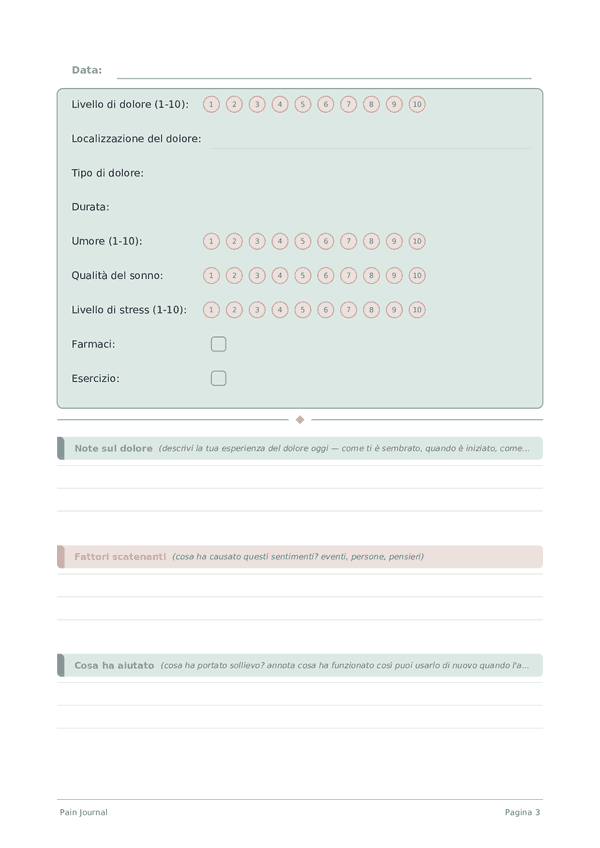
Diario del Dolore
Monitora i pattern del dolore, i trigger e le strategie di sollievo
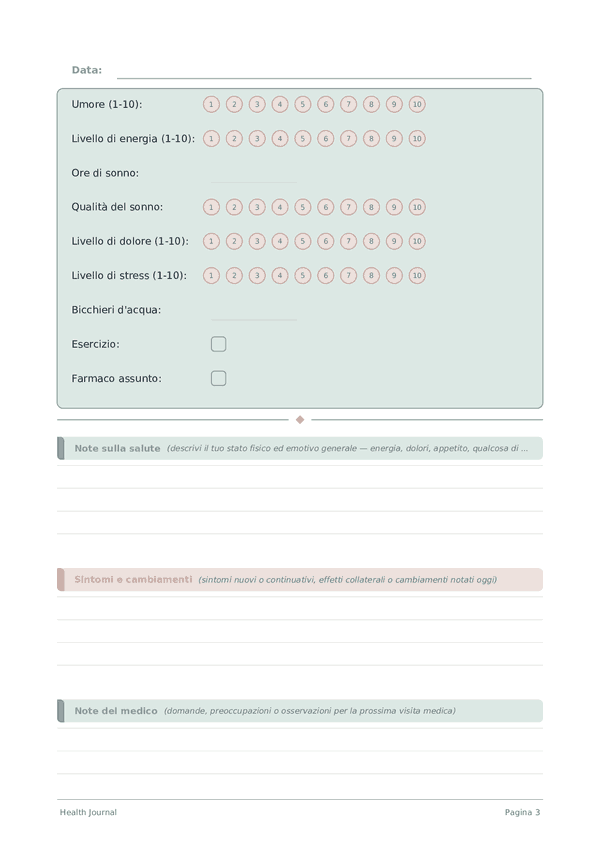
Diario della Salute
Monitora il tuo corpo, la mente e il benessere ogni giorno
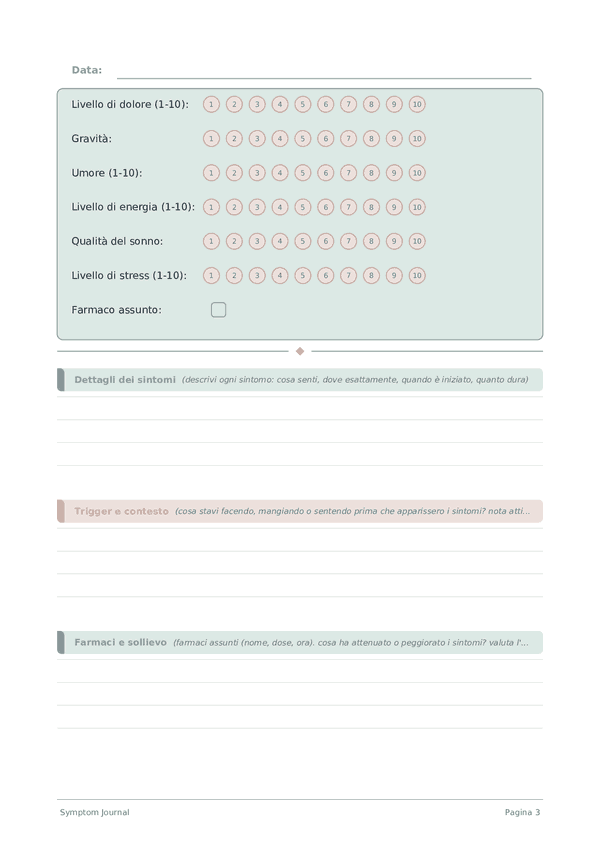
Diario dei Sintomi
Monitora sintomi, trigger e trattamenti ogni giorno
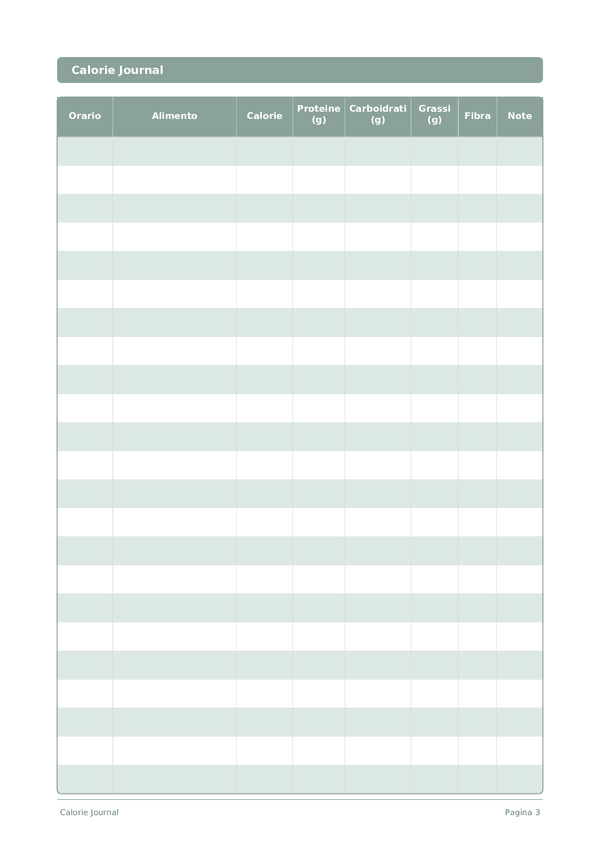
Diario delle Calorie
Monitora calorie e macronutrienti ad ogni pasto
Scorri per ingrandire, trascina per spostare