Printable Diario del Digiuno
Tracker del digiuno intermittente e registro dell'energia
Personalizza campi
Attiva o disattiva i campi. Clicca la matita per rinominare, oppure aggiungi i tuoi campi.
Cos'è questo diario?
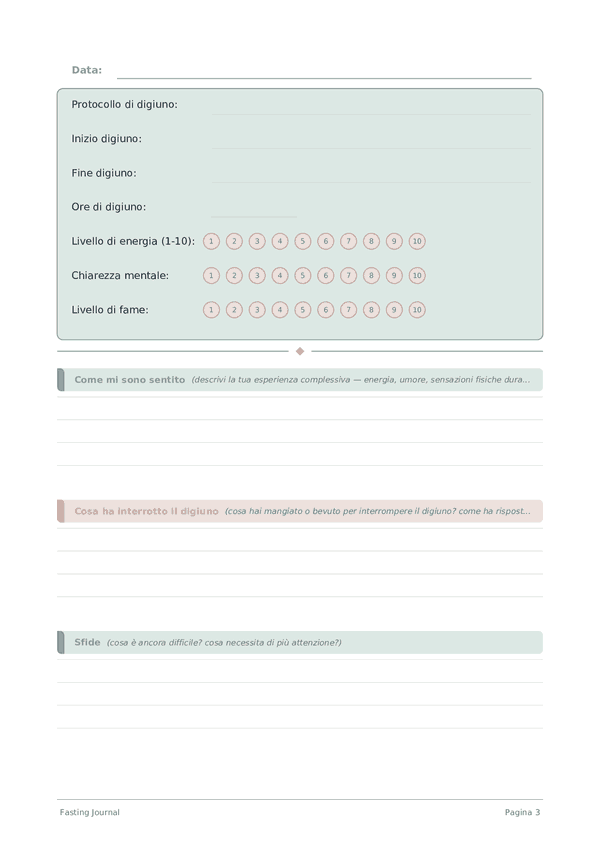
Questo è un diario ibrido — ogni pagina combina una sezione di tracciamento rapido in cima con un'area di scrittura a righe in basso. Ciò ti consente di catturare sia dati misurabili che riflessioni in forma libera in un unico posto.
Come compilare ogni campo
La parte superiore di ogni pagina ha campi a compilazione rapida (valutazioni, caselle di controllo, numeri). Sotto c'è una sezione a righe per scrivere. Ecco cosa significa ogni campo:
Protocollo di digiuno
es. 16:8, 18:6, 20:4, 24 ore, OMAD, 5:2 — quale metodo di digiuno hai seguito oggi?
Inizio digiuno
A che ora è iniziato il tuo digiuno? (es. 20:00)
Fine digiuno
A che ora hai interrotto il digiuno? (es. 12:00)
Ore di digiuno
Registra il numero di ore in cui hai digiunato. Monitorare insieme a energia e umore ti aiuta a trovare la tua finestra di digiuno ottimale.
Livello di energia (1-10)
Valuta il tuo livello di energia fisica e mentale. 1 significa esausto e svuotato, 10 significa pieno di energia e sveglio. Questo ti aiuta a identificare quali attività aumentano o drenano la tua energia.
Chiarezza mentale
Quanto era acuta e concentrata la tua mente? 1=annebbiata e distratta, 5=cristallina
Livello di fame
Quanto fame hai avuto complessivamente oggi? 1 = per niente affamato, 10 = famelico
Come mi sono sentito
Descrivi la tua esperienza complessiva — energia, umore, sensazioni fisiche durante il digiuno
Cosa ha interrotto il digiuno
Cosa hai mangiato o bevuto per interrompere il digiuno? Come ha risposto il tuo corpo?
Sfide
Cosa è ancora difficile? Cosa necessita di più attenzione?
Intuizioni
Realizzazioni, chiarezza o momenti di quiete da ricordare?
Consigli per il successo
Quando e con quale frequenza scrivere
Compila una pagina al giorno. La parte del tracker richiede meno di un minuto; cerca di farlo a un orario costante. La sezione di scrittura può essere fatta nello stesso momento o riservata quando hai 5 minuti tranquilli. Entrambe le parti insieme ti danno il quadro più completo della tua giornata.
Domande frequenti
Cosa dice la ricerca sui benefici del digiuno intermittente?
La revisione del NEJM (2019, 381(26)) di de Cabo e Mattson ha sintetizzato che il digiuno intermittente può migliorare i marker metabolici, la pressione sanguigna e la sensibilità all'insulina. Il NIH NIDDK indica che le prove sono più consistenti per i protocolli 16:8 e 5:2 negli adulti sani. JAMA Internal Medicine (2020, 180(11)) ha riscontrato una perdita di peso simile alla restrizione calorica. Gli effetti sono individuali — monitora le tue ore di digiuno, i livelli di energia e la chiarezza mentale per costruire prove personali. Consulta il tuo medico prima di iniziare, soprattutto in presenza di condizioni croniche.
Quale protocollo di digiuno dovrei registrare?
Protocolli comuni secondo NIH NIDDK e NEJM: 16:8 (16 ore di digiuno, 8 ore di alimentazione — il più popolare), 18:6 o 20:4 (digiuni giornalieri prolungati), 5:2 (5 giorni normali + 2 giorni a calorie ridotte a circa 500–600 kcal), digiuni di 24 ore 1–2 volte alla settimana, digiuno a giorni alterni. Documenta nel campo del protocollo di digiuno. Confronta i punteggi di energia e chiarezza mentale tra i vari protocolli nell'arco di 4–8 settimane per trovare quello più adatto alla tua fisiologia e al tuo stile di vita.
Come monitoro l'adattamento al digiuno nel tempo?
Secondo de Cabo & Mattson (NEJM, 2019), l'adattamento metabolico richiede tipicamente 2–4 settimane. Il punteggio della fame si riduce notevolmente dopo 2 settimane per la maggior parte degli aderenti; la chiarezza mentale migliora spesso entro la settimana 3–4. Il campo delle difficoltà cattura i problemi iniziali (irritabilità, mal di testa, stanchezza) che di solito si risolvono. Sintomi gravi persistenti oltre 4 settimane richiedono una rivalutazione con il tuo medico — il digiuno intermittente non è adatto a tutti.
Chi non dovrebbe praticare il digiuno intermittente?
Secondo NIDDK, gli Standard di Cura ADA (2024, Diabetes Care, 47 Suppl 1) e ACOG: le controindicazioni includono diabete di tipo 1 (rischio di ipoglicemia), gravidanza/allattamento, storia di disturbi alimentari, sottopeso (BMI <18,5), adolescenti e bambini, e alcuni farmaci (insulina, sulfoniluree). I pazienti con diabete in terapia farmacologica necessitano della supervisione del medico per aggiustare le dosi. L'APA sconsiglia fortemente il digiuno intermittente a chi ha anoressia, bulimia o disturbo da alimentazione incontrollata.
Cosa posso consumare durante la finestra di digiuno?
Secondo il consenso della ricerca sul digiuno (Mattson, NEJM 2019): acqua naturale, caffè nero, tè liscio, tisane — questi non stimolano una risposta insulinica significativa e preservano lo stato di digiuno. Qualsiasi alimento con calorie (panna, zucchero, latte, succo) interrompe il digiuno. Il campo cosa ha interrotto il digiuno traccia il momento in cui hai mangiato, che è più importante della rigida purezza del digiuno. L'idratazione durante il digiuno è fondamentale — la disidratazione imita i sintomi di affaticamento da digiuno.
Come faccio a sapere se il digiuno funziona per me?
Monitora 4 o più settimane di dati costanti. Secondo NIH e JAMA Internal Medicine (2020), i marker oggettivi includono peso, circonferenza vita, glicemia a digiuno, pressione sanguigna (misurazioni separate). I marker soggettivi in questo diario: i punteggi di energia si stabilizzano o migliorano, la chiarezza mentale aumenta, il livello di fame scende dalla baseline. Se i marker peggiorano o rimangono scarsi per 6–8 settimane, il protocollo potrebbe non adattarsi alla tua fisiologia — prova un approccio diverso o consulta un dietista registrato.
In cosa differisce il digiuno intermittente dalla restrizione calorica?
Secondo NEJM (2019, 381(26)) e JAMA Internal Medicine (2020, 180(11)): il digiuno intermittente limita quando mangi; la restrizione calorica limita quanto mangi. Entrambi possono produrre perdita di peso; il digiuno intermittente può produrre effetti metabolici aggiuntivi tramite processi cellulari indotti dal digiuno (autofagia, chetosi), sebbene le prove nell'uomo siano preliminari. Il campo delle ore di digiuno traccia la dimensione temporale; considera anche di registrare le calorie della finestra alimentare nelle note per un confronto diretto.
Quando dovrei interrompere il digiuno e consultare un medico?
Segnali d'allarme Mayo Clinic e NIDDK: capogiri persistenti, svenimento, debolezza grave, battito cardiaco irregolare, disturbi dell'umore, perdita di capelli, mestruazioni assenti, o peggioramento di qualsiasi condizione cronica. Monitora questi nel campo delle difficoltà — pattern che indicano stress fisiologico richiedono la cessazione immediata e una valutazione medica. Pensieri relativi a disturbi alimentari che emergono durante il digiuno intermittente (impulsi di abbuffata, preoccupazione per il cibo, ossessione per l'immagine corporea) richiedono la consulenza di un professionista della salute mentale, secondo le linee guida APA.
Potrebbe piacerti anche
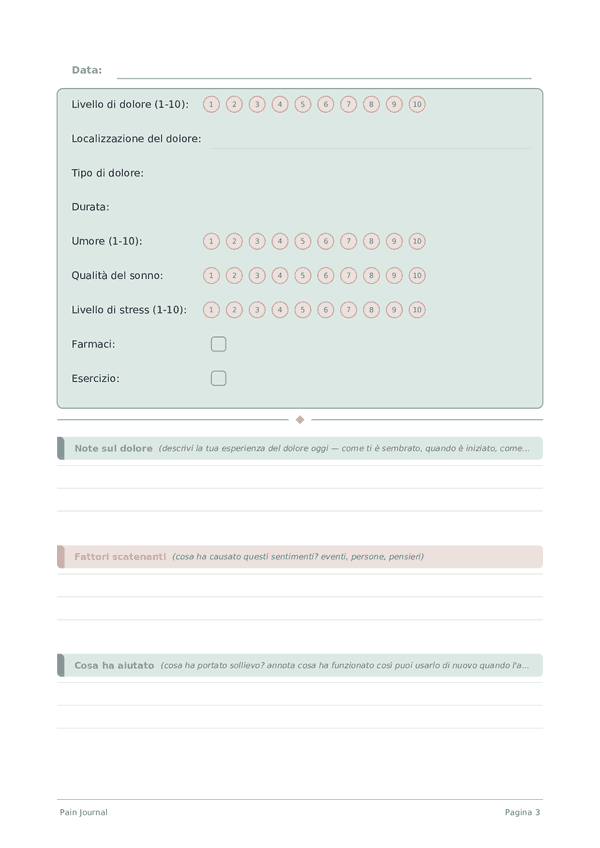
Diario del Dolore
Monitora i pattern del dolore, i trigger e le strategie di sollievo
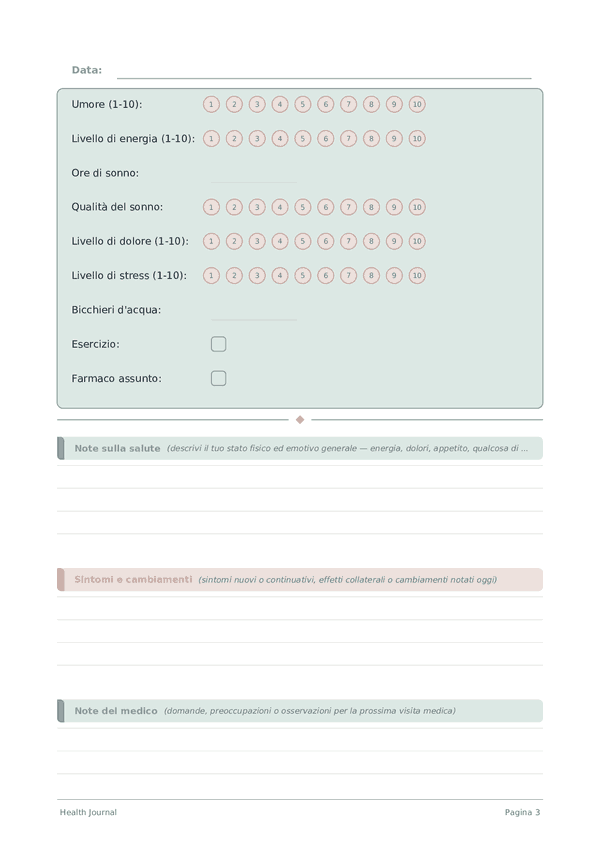
Diario della Salute
Monitora il tuo corpo, la mente e il benessere ogni giorno
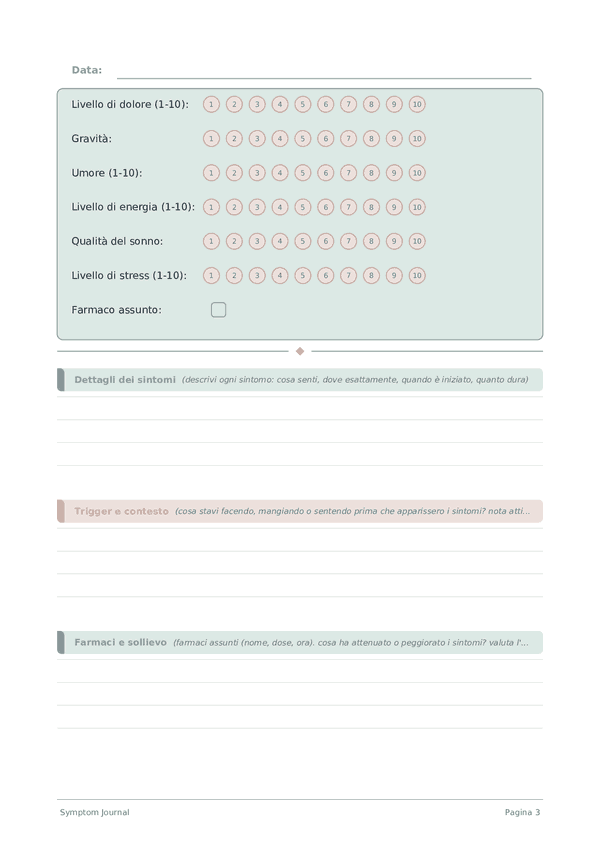
Diario dei Sintomi
Monitora sintomi, trigger e trattamenti ogni giorno
Diario delle Calorie
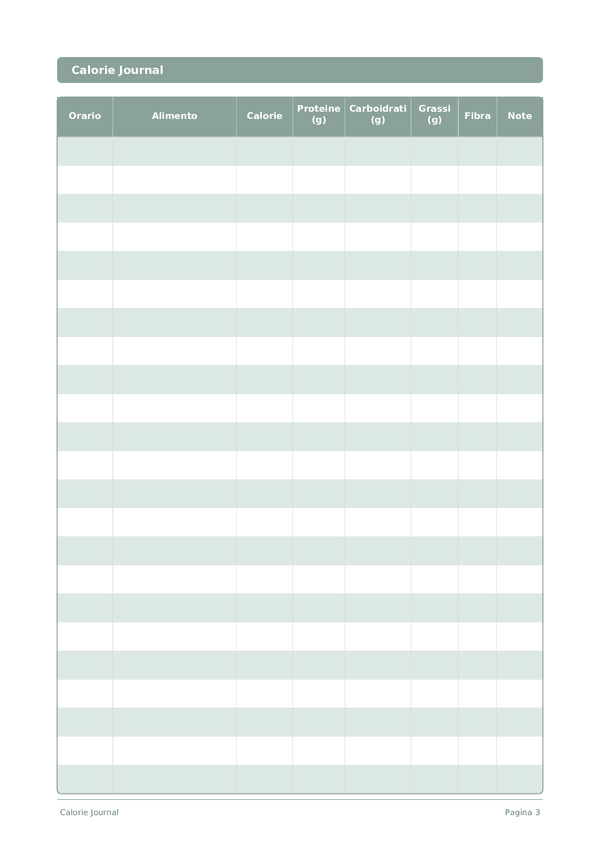
Monitora calorie e macronutrienti ad ogni pasto
Scorri per ingrandire, trascina per spostare