Printable Diario della Birra
Monitora e valuta ogni birra artigianale che assaggi
Personalizza campi
Attiva o disattiva i campi. Clicca la matita per rinominare, oppure aggiungi i tuoi campi.
Cos'è questo diario?
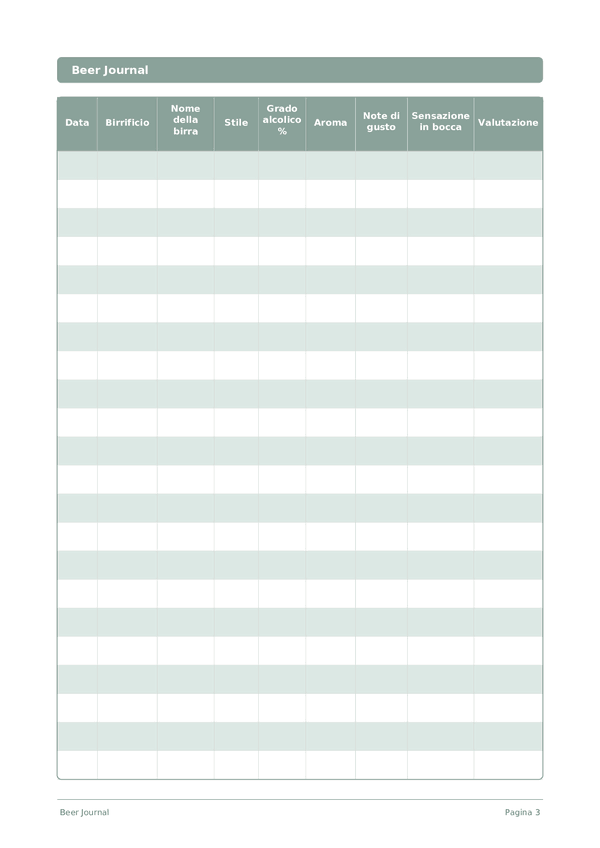
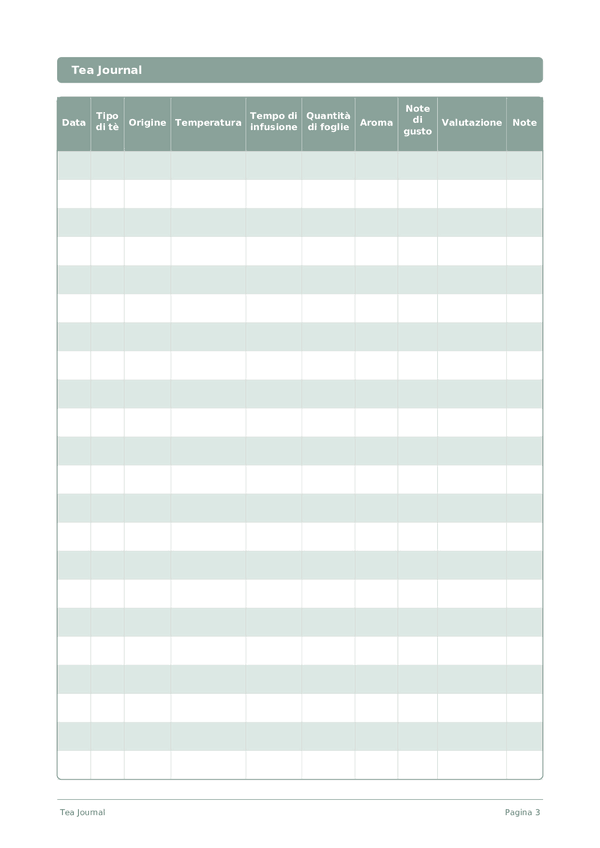
Questo è un diario a registro tabellare — ogni pagina contiene una tabella strutturata con colonne per registrare i dati. Perfetto per tenere traccia di spese, allenamenti, letture o qualsiasi attività che beneficia di voci organizzate e confrontabili.
Come compilare ogni campo
Ogni pagina è una tabella con colonne. Compila una riga per ogni voce. Ecco a cosa serve ogni colonna:
Data
Scrivi la data di oggi. Questo ancora la tua voce nel tempo e aiuta quando si rivedono le voci in seguito.
Birrificio
Nome della birra
Stile
Grado alcolico %
Aroma
Note di gusto
Sensazione in bocca
Valutazione
Valutazione complessiva dell'esperienza
Consigli per il successo
Quando e con quale frequenza scrivere
Aggiungi voci man mano che gli eventi accadono durante il giorno. Per i registri finanziari, annota ogni transazione immediatamente. Per i registri di attività, compila dopo ogni sessione. Fai una revisione settimanale o mensile per analizzare i tuoi dati ed estrarre intuizioni.
Domande frequenti
Come si descrive lo stile di una birra in modo preciso — e se non conosco la categoria BJCP?
Parti dallo stile indicato sull'etichetta, poi confrontalo con le BJCP Style Guidelines (Beer Judge Certification Program, edizione 2021), che organizzano quasi 100 categorie, dall'American IPA alla Berliner Weisse. La Brewers Association pubblica ogni anno le Beer Style Guidelines usate al Great American Beer Festival. Se non sei sicuro, annota la corrispondenza più vicina seguita da un punto interrogativo — con il tempo la conoscenza degli stili si consolida, e gli errori ricorrenti di categorizzazione diventano essi stessi un utile segnale di apprendimento.
Qual è il modo giusto per registrare separatamente aroma, note di gusto e sensazione in bocca?
Le schede di valutazione BJCP valutano aroma, aspetto, gusto, sensazione in bocca e impressione generale come dimensioni distinte per una ragione precisa — evolvono in modo indipendente. Aroma: luppoli (pino, agrumi, tropicale), malto (pane, caramello, cioccolato), fermentazione (banana, chiodo di garofano, note pepate). Gusto: intensità dell'amaro, dolcezza del malto, difetti (diacetile, DMS). Sensazione in bocca: corpo, carbonazione, calore alcolico, secchezza. Il programma di certificazione Cicerone forma i valutatori su questa separazione; mescolare le dimensioni riduce il valore dei dati.
Come si legge e si registra la gradazione alcolica (ABV) — e cosa anticipa sulla birra?
La percentuale di alcol per volume (ABV) è riportata sulla maggior parte delle etichette delle birre artigianali. Le BJCP Style Guidelines (2021) associano gli stili a range di ABV: session sotto il 4,5%, standard 4,5–6%, strong 6–9%, very strong sopra il 9%. Tenere traccia dell'ABV in relazione alla valutazione rivela le tue abitudini di gusto — molti appassionati preferiscono costantemente il range 5–7%, trovando le gradazioni più alte faticose per il palato. L'ABV è anche correlato alla percezione di corpo e dolcezza attraverso gli zuccheri residui, utile quando si confrontano stili diversi.
Come distinguo una birreria che mi piace da una birra che mi piace?
Registra il nome del birrificio e il nome della birra in colonne separate in modo deliberato. Dopo 30–50 voci, ordina mentalmente per birrificio: la Birreria X ottiene costantemente un punteggio superiore all'8, oppure solo la sua birra di punta? La Brewers Association conta oltre 9.000 birrifici artigianali negli USA, quindi la fedeltà a un marchio senza dati sulle singole birre spreca opportunità di acquisto. Al contrario, identificare un birrificio la cui intera gamma ottiene buoni punteggi è estremamente utile — è un segnale di lievito, profilo idrico e disciplina di processo coerenti.
Come si confronta questo diario cartaceo con app come Untappd?
Untappd è ottima per la scoperta sociale e per i check-in rapidi, ma distorce le valutazioni mostrando le medie della community prima ancora che tu assaggi. La valutazione in stile BJCP e Cicerone richiede un'analisi sensoriale deliberata e imparziale — più facile su carta, senza notifiche che distraggono. Le app tendono anche a incoraggiare reazioni in una riga, mentre le colonne separate per aroma, gusto e sensazione in bocca impongono una valutazione più completa. Usale entrambe: l'app per l'inventario della cantina e il lato sociale, il diario per il registro analitico che affina il palato nel tempo.
Questo diario è adatto anche a birre non artigianali, sidro, idromele o birra analcolica?
Sì. Le colonne — birrificio, nome, stile, ABV, aroma, gusto, sensazione in bocca, valutazione — funzionano per qualsiasi bevanda fermentata. Le linee guida BJCP includono categorie per sidro e idromele con descrittori propri. La birra artigianale analcolica è un segmento in crescita secondo i report annuali della Brewers Association; registrala con lo stesso metodo. Il Master Brewers Association of the Americas copre tecnicamente tutte le bevande a base di malto. Il principio del diario — l'osservazione sensoriale ripetibile — va oltre le etichette di categoria.
Con quale frequenza dovrei rileggere le voci precedenti, e cosa cercare?
Una revisione mensile aiuta a rilevare l'evoluzione del palato. Il programma Cicerone Certification enfatizza che la percezione del gusto cambia con l'esposizione — birre valutate 6 un anno fa potrebbero ora meritare 8 man mano che si conosce lo stile. Ordina per valutazione e stile: stai tendendo verso stili luppolati, maltati o acidi? I dati della Brewers Association mostrano che le IPA dominano i volumi dell'artigianale, ma le preferenze personali spesso divergono. La revisione annuale fa emergere un'identità stilistica al di là dei messaggi di marketing.
Errori comuni che compromettono la precisione della degustazione?
Primo, valutare direttamente dalla bottiglia senza il bicchiere adeguato — i composti aromatici volatili hanno bisogno di superficie, secondo il protocollo di giudizio BJCP. Secondo, mangiare cibo piccante o dal sapore intenso immediatamente prima. Terzo, il bias da alone causato dai nomi di birrifici famosi. Quarto, dare un punteggio dopo un solo sorso — gusto e finale richiedono almeno 2–3 sorsi. Quinto, ignorare i difetti per cortesia; il Cicerone Off-Flavor Kit è progettato specificamente per riconoscere diacetile, acetaldeide, DMS e il carattere da luce.
Potrebbe piacerti anche
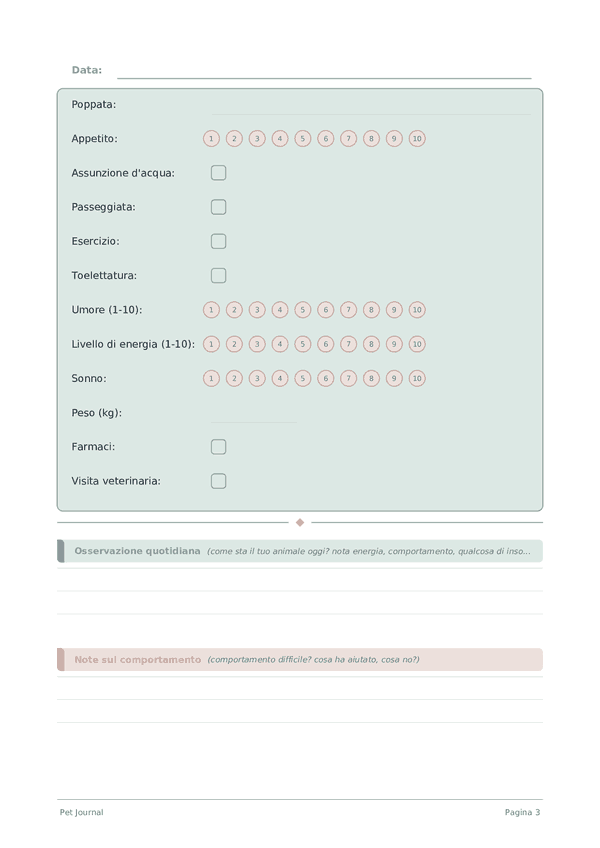
Diario degli Animali Domestici
Registro quotidiano delle cure per il tuo compagno peloso
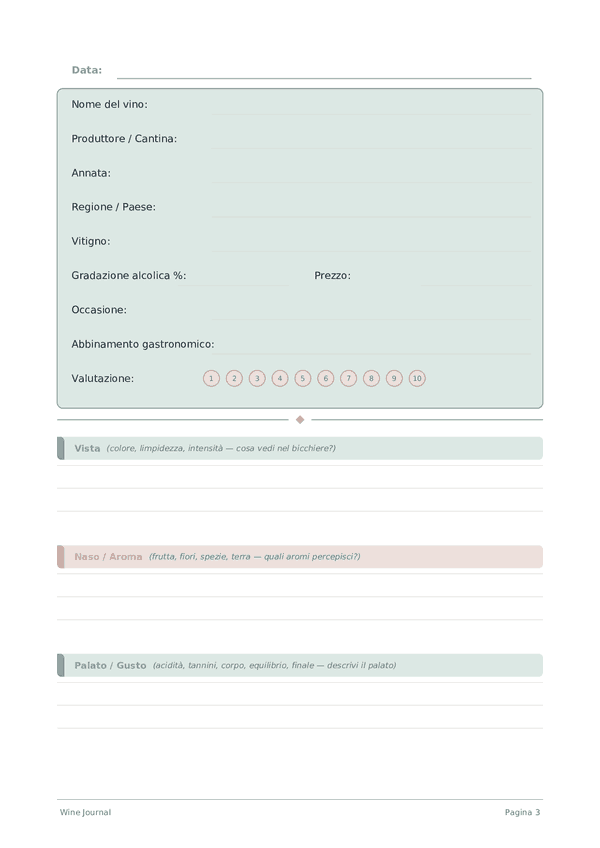
Diario del Vino
Documenta le esperienze di degustazione del vino
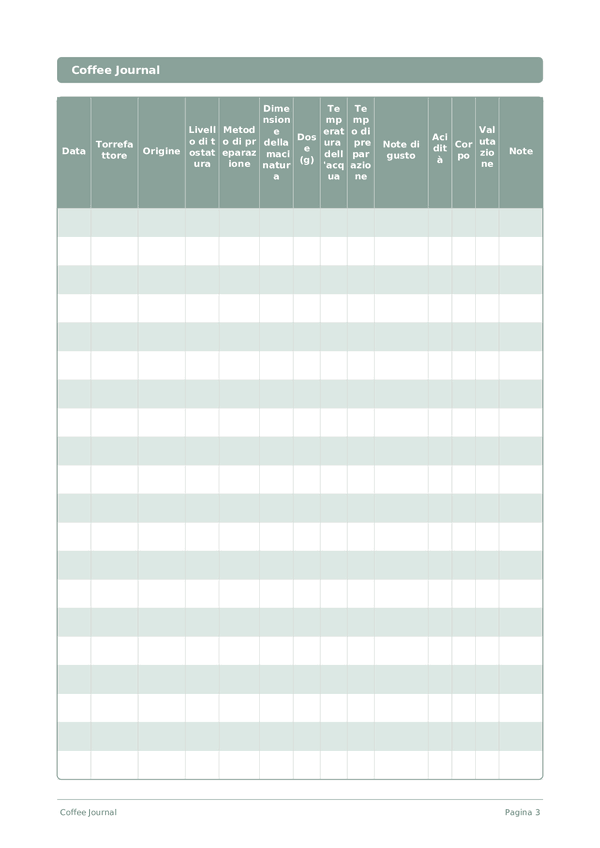
Diario del Caffè
Monitora le preparazioni, affina i parametri e sviluppa il tuo palato
Diario del Tè
Monitora ogni tazza — dalla foglia all'ultimo sorso
Scorri per ingrandire, trascina per spostare